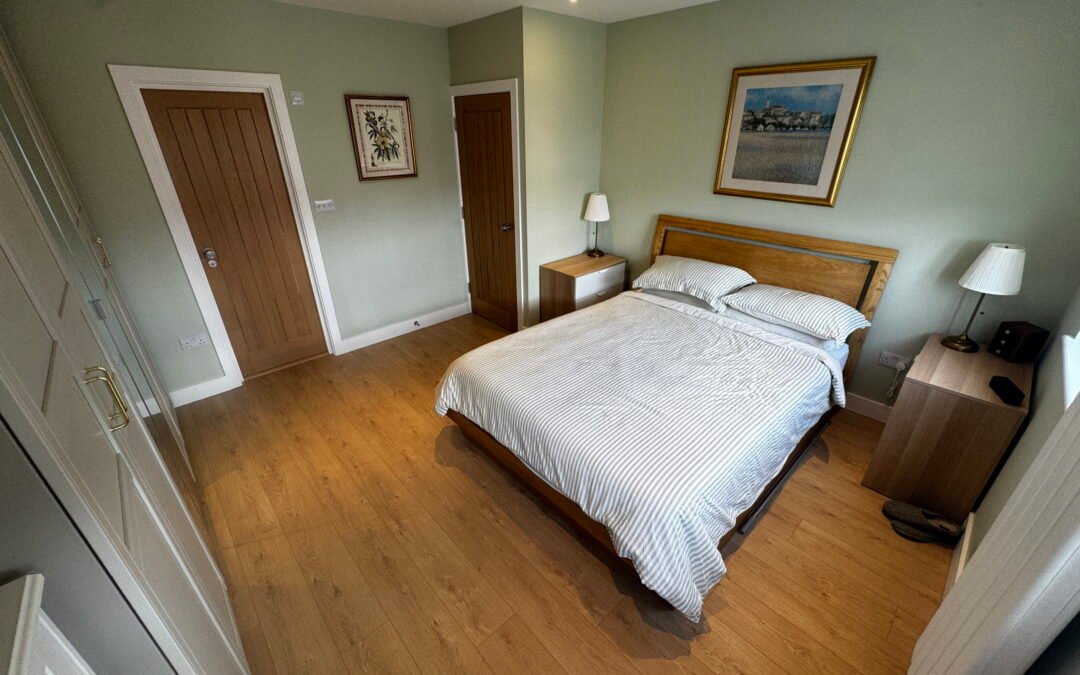
Does a loft conversion add value? Yes. A well-designed loft conversion is one of the most reliable ways to add value to a London home. Nationwide’s 2025 research found that a loft conversion or extension adding a double bedroom and a bathroom can increase the value of a typical three-bedroom, one-bathroom house by up to 24%.
We convert lofts across London, and the pattern we see matches the research: the value comes from adding a proper bedroom, ideally with its own bathroom. In this guide we explain how much value a loft conversion adds, what drives it, and how the numbers compare with selling up and moving to a bigger house.
How much value does a loft conversion add?
Nationwide’s House Price Index team looked at what extra space is worth across the UK. Their key findings:
| Change to the house | Typical increase in value |
|---|---|
| 3 bed, 1 bath → 4 bed, 2 bath (double bedroom + bathroom) | Up to 24% |
| 2 bed → 3 bed | About 13% |
| 3 bed → 4 bed | About 10% |
| 2 bed → 3 bed, detached house | Up to 17% |
| 10% more floor space, no extra bedroom | About 5% |
The last row matters most. Floor space on its own adds a little; an extra bedroom adds a lot more, and a bedroom with an en-suite adds the most. That is why a loft conversion often beats a ground-floor extension on value: it usually creates a bedroom and a bathroom, not just a bigger kitchen.
On a £700,000 London terrace, 10% is £70,000, and the full 24% is £168,000. A rear dormer in London typically costs £45,000–£75,000 (see our loft conversion cost guide for current prices by type), so in most London postcodes a loft conversion adds more value than it costs.
What drives the value up
- A real bedroom. It needs to fit a double bed, have proper head height (we aim for 2.2m minimum and 2.4m or more where we can) and a window that meets escape rules.
- A bathroom or en-suite. Going from one bathroom to two is a big part of Nationwide’s 24% figure.
- A proper staircase. A fixed stair that continues the main stairs makes the loft feel like part of the house. Ladders and space-saver stairs don’t count as a bedroom for most buyers.
- The right type of conversion. A dormer loft conversion, hip-to-gable or mansard adds far more usable floor space than rooflights alone. Our guide to the different types of loft conversion compares them.
- Paperwork. A Building Regulations completion certificate, plus planning permission or a Lawful Development Certificate. Buyers’ solicitors will ask for both.
Loft conversion vs moving: what does each really cost?
Most families who call us are weighing up the same question: convert the loft, or sell and buy a house with one more bedroom? Moving costs far more than most people expect. Which? puts the average cost of moving home in London at just over £32,000 in 2026, before you pay a penny more for the bigger house.
Here is an example for a family in a £700,000 three-bed terrace, comparing a loft conversion with a move to an £850,000 four-bed nearby.
| Cost | Loft conversion | Moving to a 4-bed |
|---|---|---|
| Price gap for the bigger house | — | £150,000 |
| Stamp duty on £850,000 | — | £32,500 |
| Estate agent fee on your sale (about 1.2% + VAT) | — | About £10,000 |
| Conveyancing, searches and survey | — | About £3,000 |
| Removals | — | About £1,000 |
| Rear dormer with en-suite, including fees | About £60,000–£85,000 | — |
| Total | About £60,000–£85,000 | About £196,500 |
Stamp duty is based on the 2026 rates for home movers: 0% up to £125,000, 2% from £125,001 to £250,000, 5% from £250,001 to £925,000, 10% from £925,001 to £1.5 million and 12% above that. Figures are illustrative; your own numbers will depend on your house, your area and the conversion you choose.
The loft conversion costs less than half as much, and the money stays in your house. The £45,000 or so spent on stamp duty, agents and fees when you move is gone for good.
When moving still makes sense
A loft conversion is not always the answer. Moving can be the better choice if:
- You want a different area, a bigger garden or a different school catchment.
- Your loft is too shallow, even with a dormer or mansard (our guide to whether your loft is suitable for conversion explains how to check).
- You need two or more extra bedrooms, or space on the ground floor.
- You live in a flat, which has no permitted development rights, so a loft conversion needs full planning permission and the freeholder’s consent.
Other ways a loft conversion pays for itself
Sale price is only part of the story. Many of our clients never sell; they convert because the extra room changes how the family lives, and saves them from moving at the worst possible time.
- A new baby. House hunting while pregnant is stressful. A loft can become a nursery or a new main bedroom (see our guide to loft conversion nurseries).
- Children who need their own rooms. This is one of the most common reasons families sell. A loft is usually quicker and cheaper than moving.
- Adult children at home. With London deposits so high, many young adults live at home for longer. A loft bedroom with an en-suite gives everyone some privacy.
- Elderly parents. A loft can free up a downstairs room for a parent, or give them their own space upstairs (see our guide to living with elderly parents).
- Working from home. A loft office is away from the noise of the house and easy to close the door on at the end of the day.
- Renting a room. Under the government’s Rent a Room scheme, you can earn up to £7,500 a year tax-free from a furnished room in your own home (£3,750 each if the income is shared). At London rents, a loft bedroom with an en-suite can earn that comfortably.
When a loft conversion won’t add value
A loft conversion does not add value automatically. These are the problems we see that hold value back:
- Your street has a ceiling price. If four-bed houses on your road sell for little more than three-beds, the extra room may not add much. Ask a local estate agent before you start.
- Poor head height or an awkward stair. If the room doesn’t feel like a real bedroom, buyers won’t pay for one.
- No sign-off. Missing Building Regulations completion certificates or planning paperwork can delay or derail a sale.
- Losing too much space below. A badly placed staircase can shrink a first-floor bedroom and cancel out the gain.
- A design that clashes with the street. In conservation areas especially, an unsympathetic dormer can put buyers off.
How to make sure your loft conversion adds the most value
- Check what buyers pay in your street. Compare recent sale prices for three- and four-bed houses nearby. That tells you roughly how much value a loft conversion can add where you live.
- Plan a double bedroom with an en-suite. That is where the biggest increase comes from. Even a compact shower room makes a big difference. Get proper loft conversion plans drawn up before you build.
- Choose the right type of conversion. A rear dormer or hip-to-gable gives the most headroom for the money on most London houses. Mansards cost more but can add the most space.
- Get the stair right. Continue the main staircase where you can, so the loft feels like part of the house.
- Sort the paperwork. Check whether you need planning permission (our loft conversion planning permission guide explains when you do), serve party wall notices if you share a wall, and keep your Building Regulations completion certificate safe.
- Use a specialist. A loft conversion company that designs, gets approvals and builds will avoid the loft conversion mistakes that quietly knock value off a home.
FAQs
Does a loft conversion add value to a house?
Yes. Nationwide’s research found that a loft conversion adding a double bedroom and a bathroom can add up to 24% to a three-bed, one-bathroom house. Adding a bedroom alone typically adds around 10–13%.
How much value does a loft conversion add in London?
It depends on the house and the street, but on a typical £700,000 London terrace a well-designed loft conversion with an en-suite can add somewhere between £70,000 and £170,000. In most London postcodes, that is more than the conversion costs.
Is a loft conversion cheaper than moving?
Usually, yes. Moving in London costs just over £32,000 on average in stamp duty and fees alone, before you pay for the bigger house. A rear dormer costs around £45,000–£75,000, and that money stays in your home.
Does a loft conversion add more value than an extension?
Often, because a loft conversion usually adds a bedroom and a bathroom, which buyers value more than extra floor space. Nationwide found that 10% more floor space adds about 5% in value, while an extra bedroom adds 10% or more.
Can I rent out my loft conversion?
Yes. Under the Rent a Room scheme you can earn up to £7,500 a year tax-free by letting a furnished room in your own home. Check your mortgage and home insurance first.
Will a loft conversion add value if I sell soon?
It can, as long as the work is finished, signed off and looks like a proper part of the house. Buyers’ solicitors will ask for your Building Regulations completion certificate and planning paperwork.
Find out what a loft conversion could add to your home
If you are deciding between converting and moving, we can help you weigh it up. We’ll visit, measure your loft, tell you which type of conversion fits and give you a fixed price, so you can compare it with the cost of moving.